

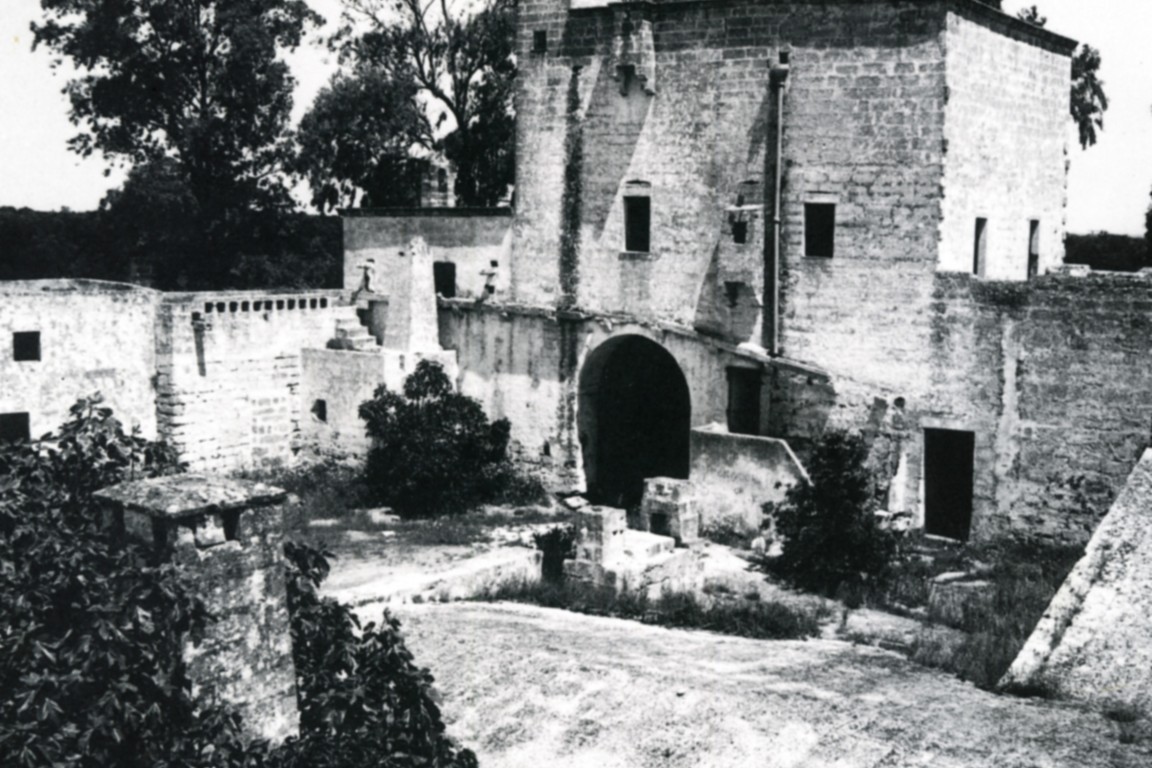
The origins of Masseria Monacelli go back to a time when the estate grew around a tower, a courtyard and buildings used for farming. Over the centuries it changed hands and was transformed many times, becoming part of the rural history of Salento.
Recorded in the historic land register of the Abbey of Santa Maria a Cerrate, the masseria first belonged to the Cigala family, the Barons of Castro. In 1775, it passed to the Dominican convent of San Giovanni d’Aymo. Its farmland, thousands of olive trees, holm oaks and fruit trees bear witness to the estate’s agricultural heritage.
On the right side of the tower stands the Chapel of the Nativity of Our Lord Jesus Christ, built in 1758. This place of worship preserves the memory of the spiritual and religious life that shaped the history of the masseria.
During the nineteenth and twentieth centuries, the estate passed among several noble families, including the Saluzzo Princes of Bagnara and the Princes of Ruffo and Bagnara. It was also involved in the land occupations, when farmers from Surbo and nearby villages took over some of its uncultivated plots.
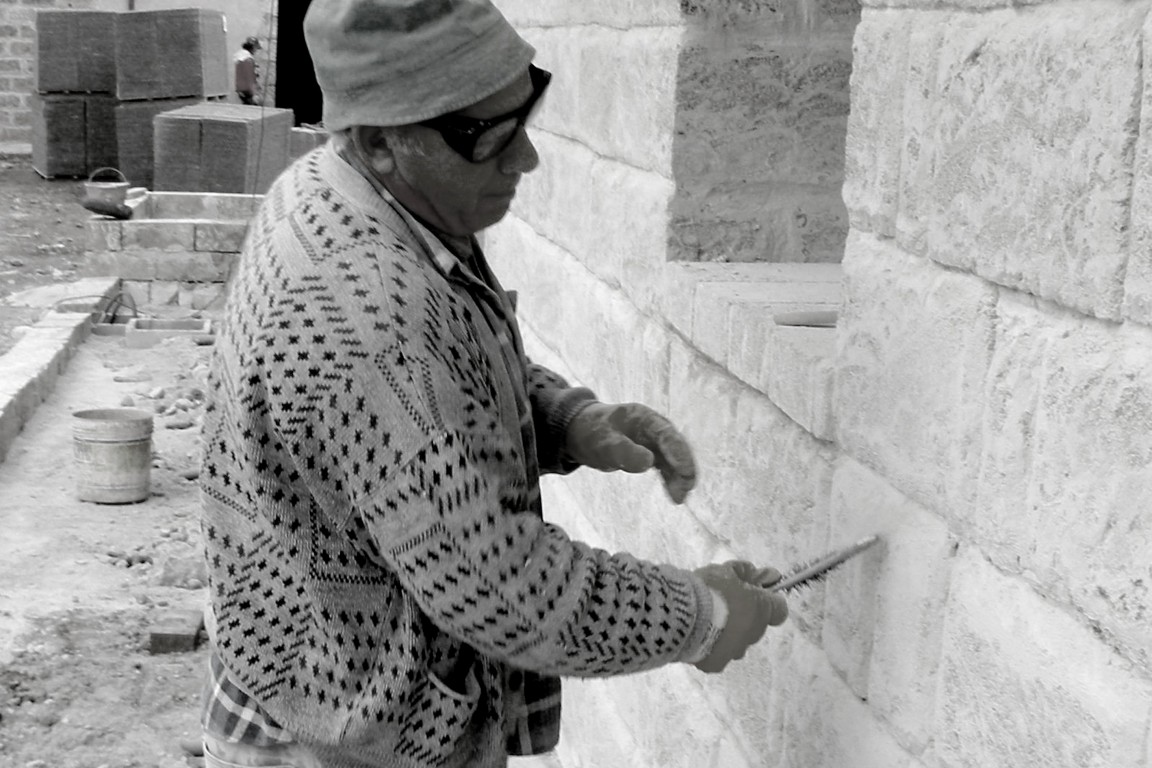
Also known by its dialect name Municeddri, Masseria Monacelli is now associated with the Fedele-Piccini family, who began a project to restore the entire estate and revive its agricultural heritage by restoring the historic buildings and renewing the olive grove.
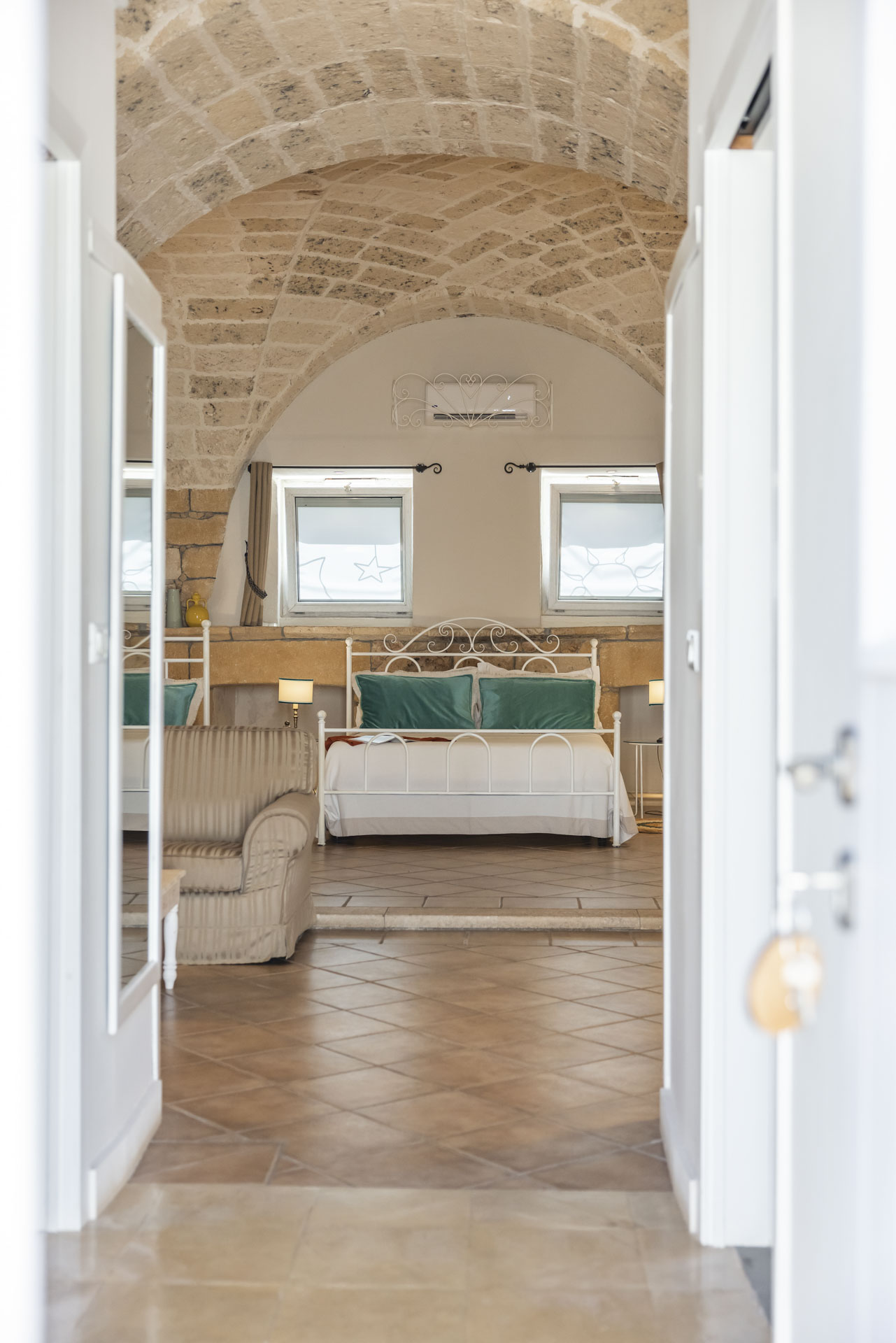
The project gives the masseria a new lease of life while preserving its architectural identity and its ties to the history and traditions of Salento.
Gli strumenti che combinano statistiche e pubblicità si attivano solo se autorizzi entrambe le categorie.